
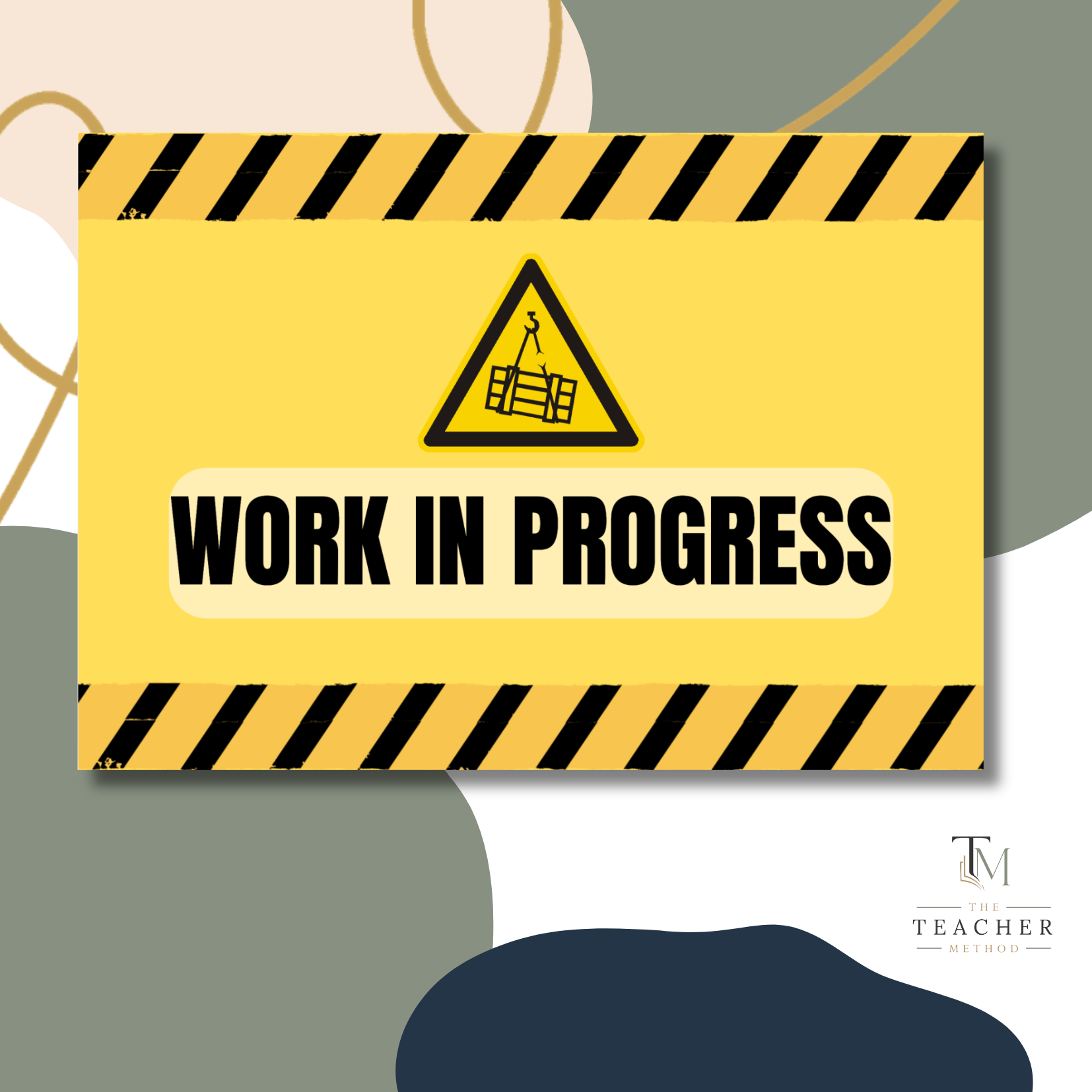
Give children’s creations the time and space they need to develop with these Work in Progress and Under Construction signs, designed specifically for role play, construction and continuous provision areas.
The signs provide a clear visual message that a child’s creation is still being worked on and should be left in place, helping protect their ideas and constructions from being accidentally dismantled or moved.
🚧 Work in Progress Sign
A simple visual sign to show that a child or group is still working on their creation.
🏗️ Under Construction Sign
A construction-themed alternative, perfect for block play, building areas and role play spaces.
Role play areas
Construction areas
Block play
Small-world play
Continuous provision
Child-led learning
Protecting children's creations
Encouraging ownership and collaboration
Simply display the sign beside a creation when children need to leave it in place and return to it later.
These signs are a simple way to help children understand that their work matters, their ideas can be revisited, and their creations deserve to be protected.
Still building? Leave it be!
Digital resource — no physical product will be delivered.
Support children to develop their understanding of the four operations with these clear and colourful maths wall posters.
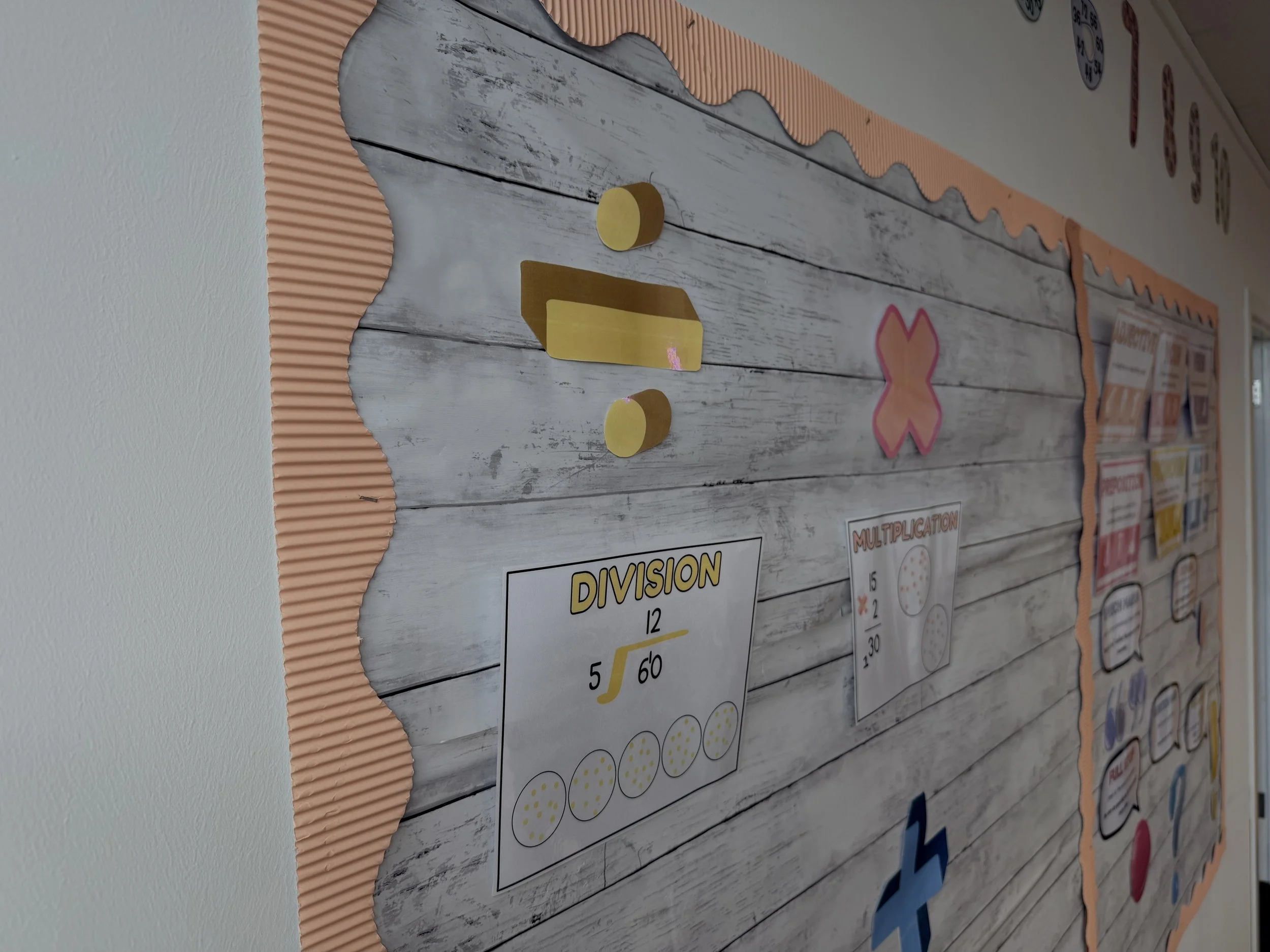
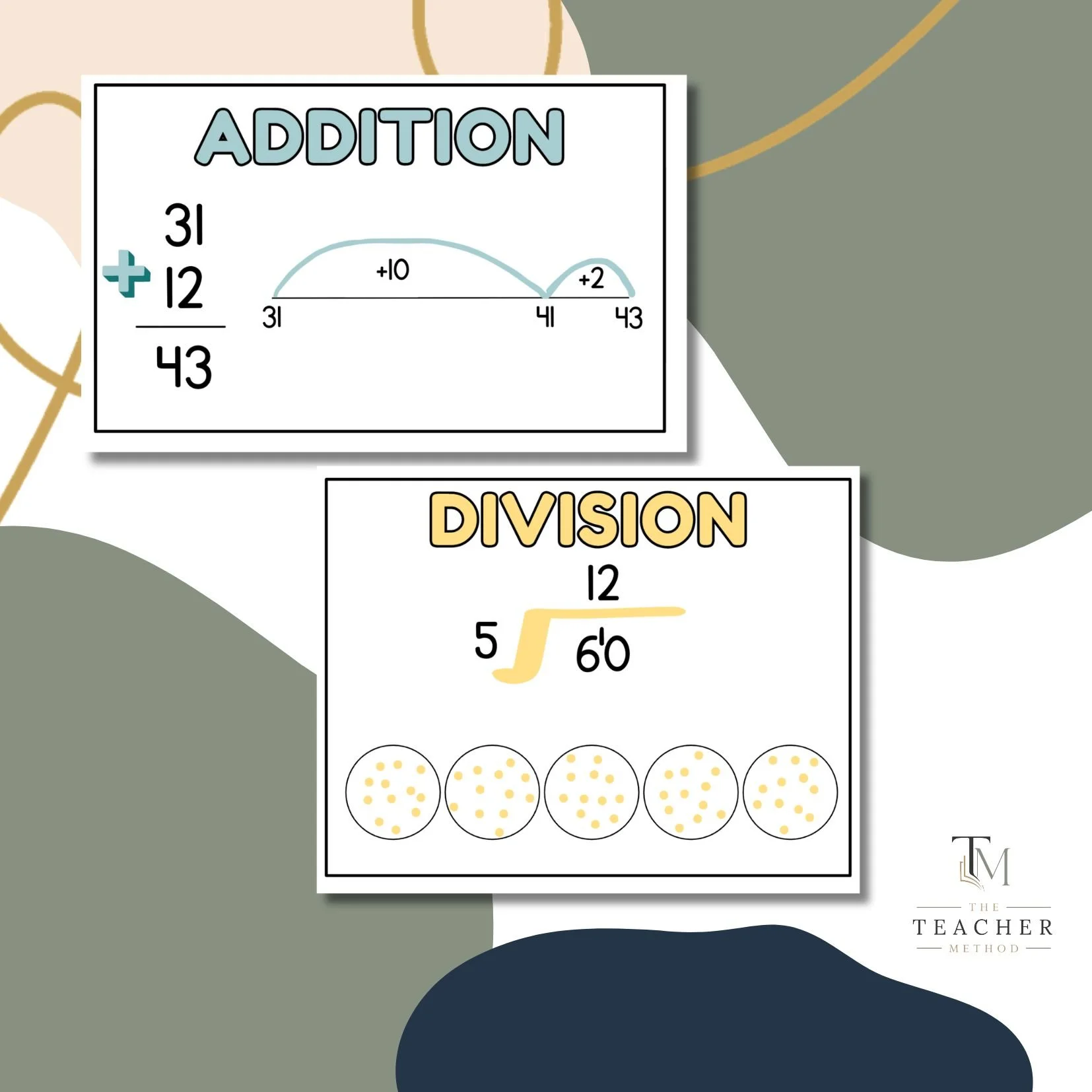
Each poster focuses on one operation — addition, subtraction, multiplication or division — and shows two different strategies for solving calculations, giving children a useful visual reference to return to throughout their maths learning.
➕ Addition Poster
Two different strategies for solving addition calculations.
➖ Subtraction Poster
Two different strategies for solving subtraction calculations.
✖️ Multiplication Poster
Two different strategies for solving multiplication calculations.
➗ Division Poster
Two different strategies for solving division calculations.
Maths wall displays
Operation lessons
Maths reference areas
Independent learning
Problem-solving
Revisiting calculation strategies
Supporting children to choose an efficient strategy
Whole-class teaching
Maths stations
Display the posters together as a four operations reference wall, or use individual posters alongside the relevant lessons and activities.
The different strategies help children see that there can be more than one way to solve a calculation, encouraging flexibility and confidence when choosing how to work.
Four operations. Eight strategies. One handy maths display.
Digital resource — no physical product will be delivered.
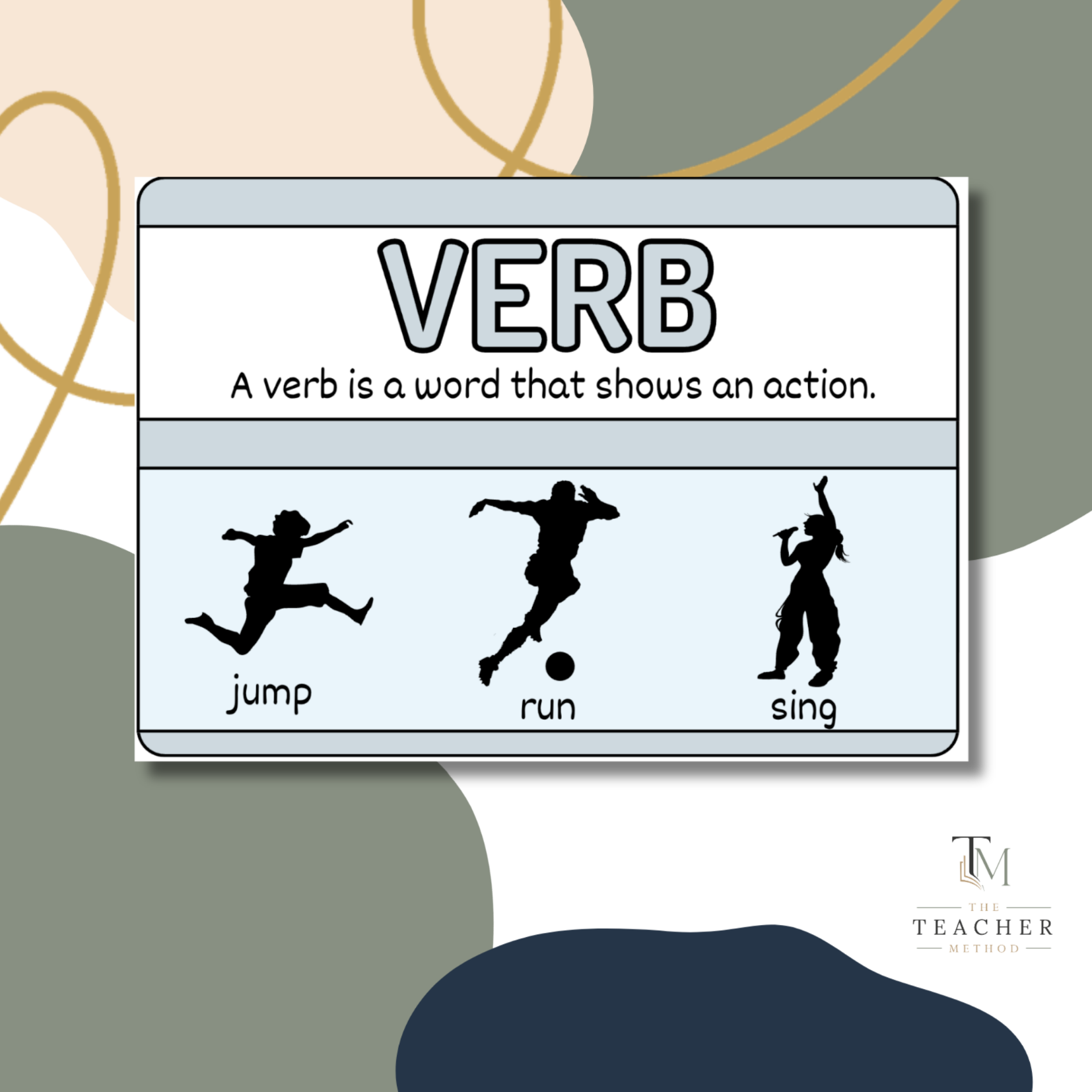
Brighten up your grammar displays with these Parts of Speech classroom posters, designed to help children recognise and understand key parts of speech through clear examples.
Use the posters to create a parts of speech bulletin board, add them to your existing grammar anchor charts, or display them around your classroom as an easy visual reference.
🔵 Picture Example Posters
Noun, Verb, Adverb, Adjective, Pronoun and Proper Noun posters featuring clear picture examples to help children make connections between the word type and its meaning.
✏️ Sentence Example Posters
Noun, Verb, Adverb, Adjective, Pronoun and Proper Noun posters featuring example sentences to show each part of speech in context.
🖨️ Black & White Versions
Black and white versions of all posters are included, allowing you to print them onto your own coloured or neon paper.
Grammar displays
Parts of speech bulletin boards
Literacy classrooms
Grammar anchor charts
Writing lessons
Grammar reference areas
Introducing parts of speech
Revisiting grammar skills
Mix and match the posters to create a display that works for your classroom, or use the different versions throughout the year as you introduce and revisit each part of speech.
Colourful. Clear. Classroom-ready.
Digital resource — no physical product will be delivered.
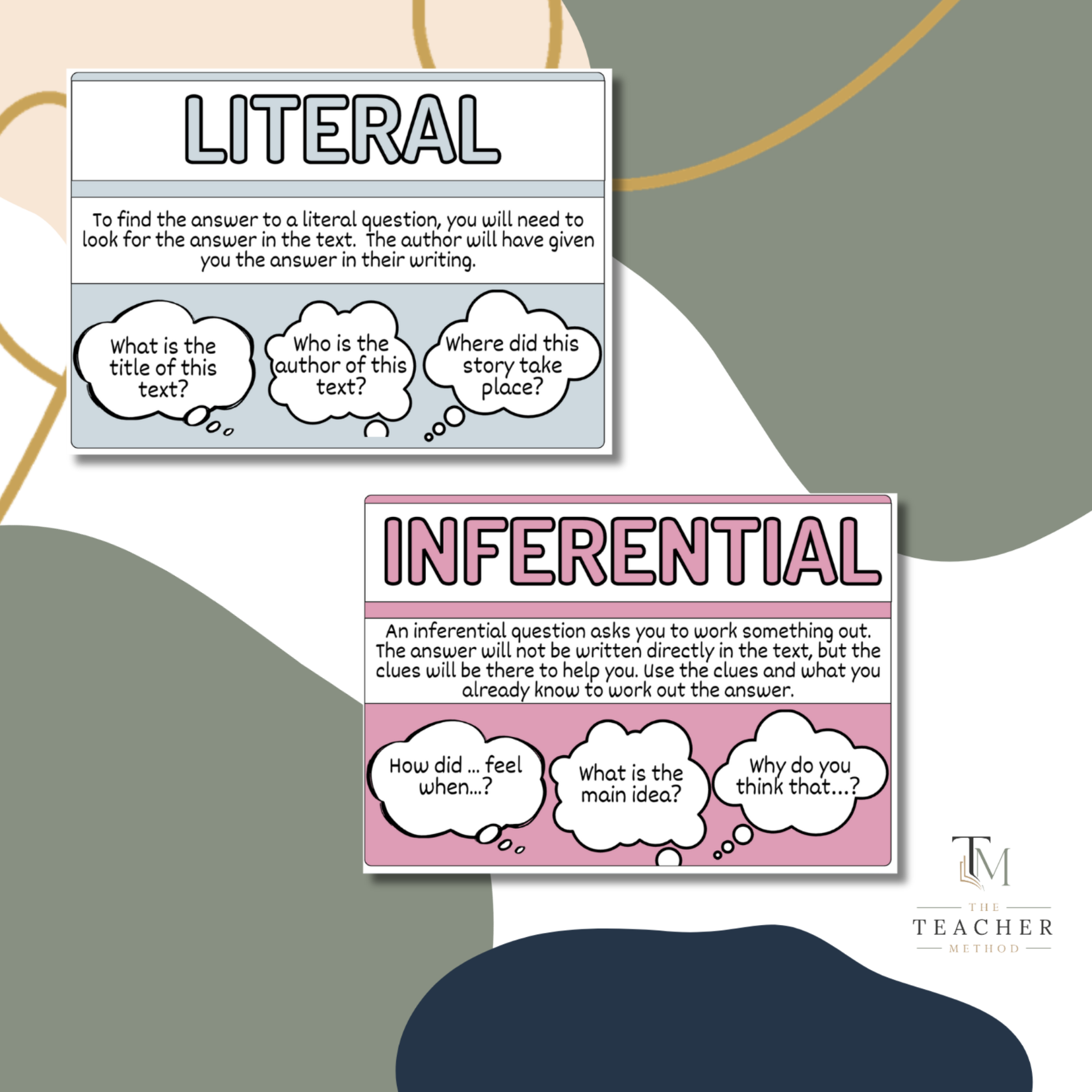
Help children understand the different types of questions they may encounter when reading with this set of Literal, Inferential & Evaluative Questions classroom posters.
With a dedicated poster for each question type, this resource provides a clear and accessible visual reference that can be displayed in your classroom and revisited throughout the year.
📖 Literal Questions Poster
Explains that literal questions ask children to find information that is stated directly in the text.
🔎 Inferential Questions Poster
Explains that inferential questions require children to use clues from the text alongside their own thinking to work out an answer.
💭 Evaluative Questions Poster
Explains that evaluative questions ask children to form an opinion, make a judgement or evaluate something, using evidence from the text to support their ideas.
Guided reading displays
Whole-class reading
Reading comprehension
Literacy classrooms
Reading corners
Reading skill displays
Teaching questioning skills
Developing reading comprehension
Supporting higher-order thinking
Display the three posters together to create a simple reading question reference display, or use each poster individually while introducing and teaching the different question types.
The posters can also be used alongside reading task cards, comprehension worksheets and other reading resources to reinforce children's understanding of how different questions require different types of thinking.
Three question types. Three ways of thinking. One simple classroom display.
Digital resource — no physical product will be delivered.
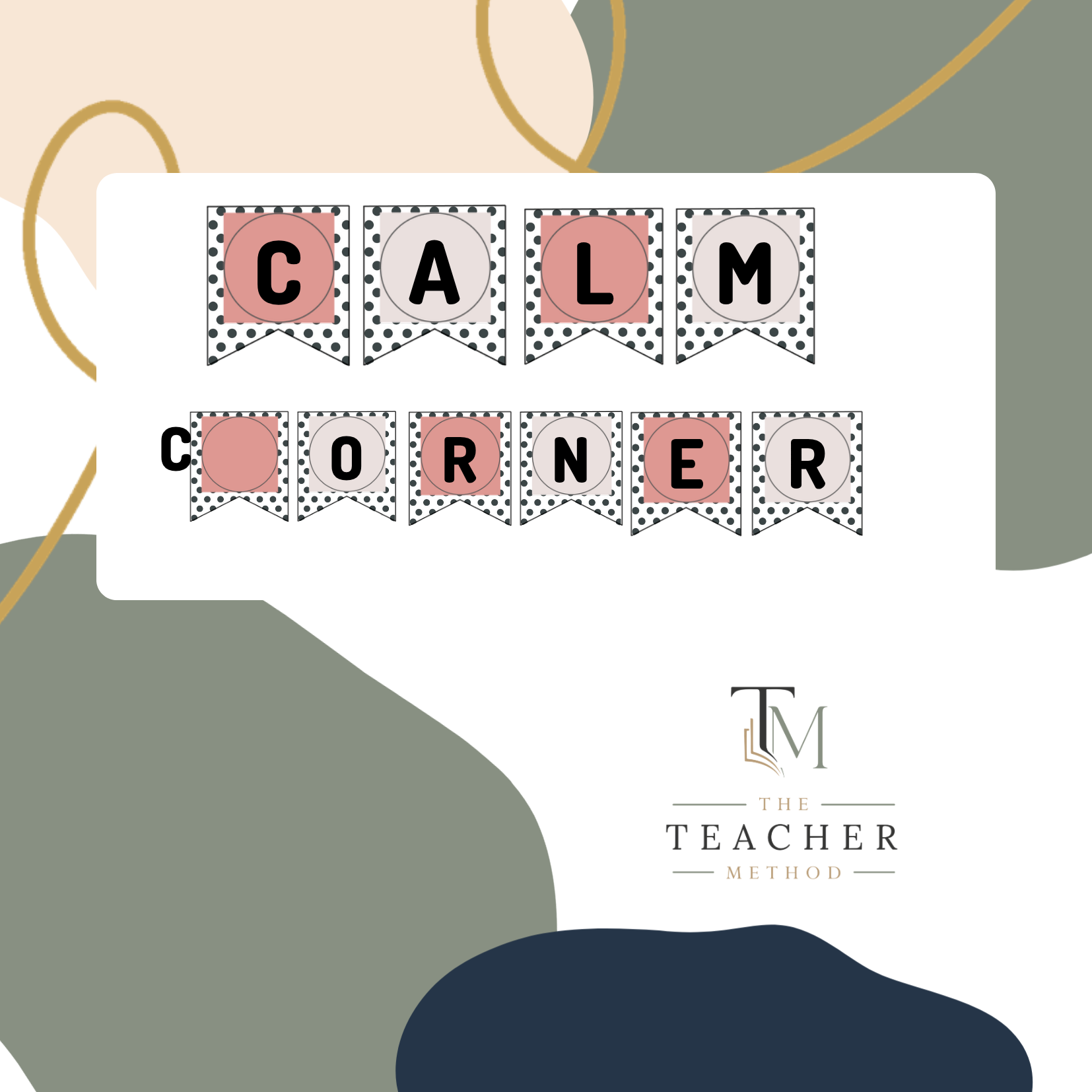
Create a calm, welcoming space in your classroom with this Calm Corner display heading, designed to clearly identify an area where children can pause, reset and use the strategies that help them regulate.
A calm corner can provide children with a consistent place to practise self-regulation and access supportive resources when they need a moment away from the demands of the classroom.
Breathing cards
Grounding activities
Sensory resources
Emotion visuals
Regulation strategies
Quiet activities
Books and other calming resources
The heading helps make your calm corner feel like a positive, purposeful part of the classroom, rather than a place children are sent when they have done something wrong.
Use it alongside your existing classroom routines to help children learn that taking a moment to reset is a normal part of looking after ourselves and being ready to learn.
A calm space. A chance to reset. A tool for regulation.
No results match your search. Try removing a few filters.